How to Design Landing Pages That Convert

By Kate O'Hara on Thursday, July 19 2012 How to Design Landing Pages That Convert

Ever clicked on a marketing offer, to be taken to the business’ homepage with no mention of the offer? Dropping users onto the homepage is essentially asking them to fend for themselves, however we know that users are time-poor and unwilling to navigate complex websites. Therefore, a more effective approach would have been to create a dedicated landing page to house the offer, giving you the exact information you require in no time at all. Now you’re a captive audience, and more likely to download/purchase/subscribe.
 

What’s a landing page?

Landing pages have been likened to a pick-up line, as they’re short, concise and focused on “closing the deal” - i.e. asking users to perform a specific task such as subscribing, downloading or purchasing.

Therefore, landing pages are critical for promotion-specific marketing as they provide a focused experience designed to accomplish a singular conversion goal.
 

Know the purpose of your page

They key to effective landing page design is knowing who you’re talking to, and why the landing page exists in the first place. Firstly, developing goals for your landing page is paramount. Common landing page objectives include:

  • Communicating brand values of the organisation;
  • Achieving a conversion i.e. sign-up, registration, download, sale;
  • Profiling the site visitor to deliver follow-up marketing communications.

Unlike casual visitors, users who click on a marketing offer arrive on landing pages with a direct goal or intention in mind. Therefore, it’s essential to consider how your audiences arrive on the landing page, and what type of offer and information they seek. Each landing page should contain a single message, with a single call to action. Therefore, if you're running multiple marketing campaigns simultaneously, consider creating a landing page for each so the page is relevant to the source of traffic.

You could have a separate landing page for the following:

  • A landing page from a "Subscribe to Newsletter" link describing the benefits of subscribing;
  • A landing page from a Facebook page with a free offer, example or download;
  • A landing page from PPC ads communicating a company’s key service;
     

Components of effective landing page design

There’s no one-size-fits-all formula for creating a perfect landing page, however there are a few fundamental concepts that will help you grab your audience’s attention and direct them to your intended conversion goal.

Firstly, there are two types of landing pages:

  • An integrated landing page that’s consistent with your sites template and navigation;
  • A separate landing page for marketing campaigns that includes campaign-relevant branding.

Depending on your requirements, the type of landing page will differ. However, the design rules remain the same. To be truly effective, landing pages require short and succinct writing, clean design with attention to visual hierarchy, whitespace and graphics, and a clear call to action.

  1. Position a creative headline prominently on the page to grab the visitor's attention and communicate the purpose of the page immediately. Ensure the headline matches the link or advertisement visitors clicked on to arrive on the landing page.
  2. Use a secondary headline to offer a compelling guarantee or unique selling proposition, encouraging the visitor to read on.
  3. Include succinct supporting information such as benefits and features of the offer, using relevant keywords to ensure search fundability. Format information in small paragraphs or with dot points.
  4. Provide social proof data in the form of testimonials to show context of use. Endorsements create credibility, which leads to conversions.
  5. Include one primary call to action to ask the user to take a desired action.
  6. Ensure the call to action dominates the page using scale, whitespace, colour and contrast.
  7. Format non-related elements as grayscale links, so as not to distract the user from the primary purpose of the page - clicking on the call to action.
  8. Use clear, interesting and meaningful graphics that relate to the copy and are consistent with the campaign, such as a photo of the product in action.
  9. Use a meaningful hierarchy of page elements, but keep it above the fold so the user does not miss important information.


Successful landing pages in action

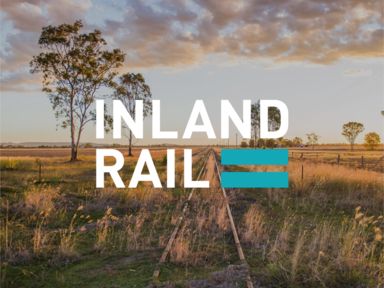
What we like: The use of visual cues to guide the eye to the call to action.
 

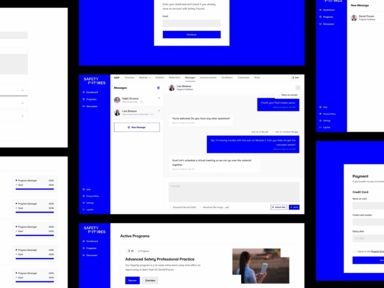
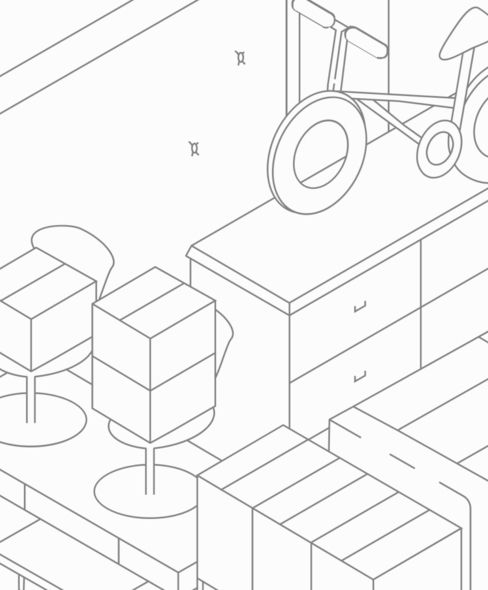
What we like: Utilising testimonials to communicate social proof.


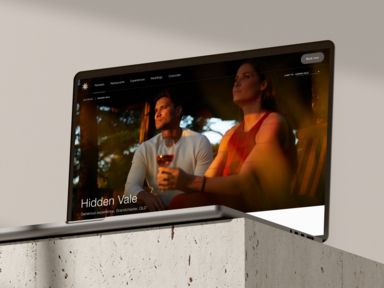
What we like: Simple text and relevant imagery to communicate the offer.
 

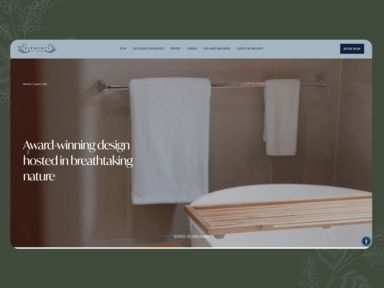
What we like: A clean visual hierarchy and effective communication of the product's benefits.

Vivo Group specialise in microsites and landing pages. Contact us today to find out about our cost-effective design offer.


Comments

To leave a comment, please login with your Facebook or Twitter account


Connect with Facebook Sign in with Twitter


There are no comments on this story yet.

Click here to subscribe to our RSS Feed

Recent Tweets

Here at Vivo Group we are by no means die hard Demi Lovato fans. We are however, extremely impressed in how she... http://t.co/fEsn9NIxAF
about 17 hours ago

@jaseclamp Totally! :)
about 1 day ago

@Swixel 960px grid, mobile specific to come!
about 1 day ago

@jaseclamp No Drupal, it uses our custom CMS.
about 1 day ago